How to Design a Calm Luxury Bedroom: Principles, Materials, and Sleep-Driven Layouts

A serene, luxurious sanctuary is not merely about opulent surfaces; it is about how a space makes you feel, how it supports restorative sleep, and how every carefully chosen detail coalesces into a cohesive atmosphere. This guide unfolds a practical, Vogue-inspired approach to crafting a calm luxury bedroom where layout, lighting, acoustics, textures, and tactility collaborate to elevate everyday life.

Why calm luxury matters in the sleep environment

Luxury, at its best, is not about excess; it’s about refinement, intention, and the absence of visual noise. A calm luxury bedroom leverages quiet color palettes, natural materials, and smart zoning to create a space that looks timeless and feels deeply comfortable. When design decisions are aligned with sleep science—thermoregulation, acoustics, and lighting—every night becomes a restorative ritual.

The mood is set from the moment you step inside: soft light, generous yet uncluttered space, a bed that anchors the room, and surfaces that invite touch. The following sections unpack the essential principles, material choices, and layout strategies that professional designers use to cultivate that balance of decadence and ease.

Principles of calm luxury: core design truths

  • Intentional restraint: Luxury thrives where there is space to breathe. Avoid visual clutter, allow for negative space, and curate texture rather than abundance of objects.
  • Material honesty: Let natural materials speak—solid wood, linen, cotton, wool, silk—each chosen for warmth, tactility, and durability.
  • Layered light: A three-layer lighting strategy (ambient, task, and accent) enables mood adjustment from bright morning rituals to cocooning evening atmospheres.
  • Acoustic mindfulness: Subtle sound management—soft textiles, upholstered seating, and strategic rug placement—contributes to sleep quality by dampening disruptive noise.
  • Sleep-centric layout: Position the bed as the room’s anchor, but design surrounding zones that support reading, dressing, and relaxation without visual competition.

Room zoning and focal points

A truly calm luxury bedroom often uses subtle zoning to shape flow. The bed remains the visual and emotional anchor, with a secondary seating area or a dressing nook tucked into the periphery. A well-considered focal point—such as a statement headboard, a sculptural bed frame, or a curated art piece—draws the eye but does not interrupt serenity.

For a refined aesthetic, consider a secondary focal node that is tactile rather than loud. A deeply textured rug underfoot, a pair of performance textiles, or a sleek, low console with quiet lighting can create depth without competing for attention.

Texture, color, and tactile luxury

Texture is the strongest conveyer of luxury in the absence of overt patterns. A calm luxury palette often leans toward warm neutrals, stone tones, and muted pastels that harmonize with the wood grain and fabric finishes. The tactile language—linen sheers, silk sheets, wool throws, and a plush rug—invites touch and slows the pace of the space.

In material selection, consider how textiles behave across seasons. Lightweight, breathable fabrics help regulate temperature in warmer nights, while denser weaves trap warmth when needed. The right balance of weight and airiness keeps the room feeling substantial yet breathable.

Key design principles in practice

Here are actionable guidelines you can apply when planning or refreshing a calm luxury bedroom:

  • Bed as anchor: Choose a bed with a clean profile and timeless silhouette. Platform beds with generous proportions anchor the room without tipping into heaviness.
  • Statement, not overload: One elevated focal element—such as a high-quality headboard or a meticulously crafted bed frame—suffices to anchor the space.
  • Seating with purpose: A single, well-chosen seating piece (a lounge chair or a compact bench) adds function without crowding.
  • Storage that recedes: Built-in or flush storage that minimizes visual mass helps preserve calm.
  • Soft shadows: Layered lighting introduces sculptural shadows that sculpt the room, creating depth and intrigue without glare.

Materials that define luxury and longevity

Luxury bedrooms rely on materials that age gracefully. Consider:

  • Solid woods with a subtle oil finish that highlight natural grain
  • High-thread-count cotton, linen, or silk textiles for bedding and drapery
  • Natural stone or refined tile for select surfaces
  • Acoustic textiles and soft furnishings to dampen sound

The aim is to develop a tactile environment where every surface invites touch, and every texture contributes to thermoregulation and comfort.

Color palettes and surface treatments

A calm luxury bedroom often embraces a restrained color palette: warm neutrals, bone whites, soft taupes, and muted woods. Use color as a quiet accent—think a single accent wall, a throw, or a curated artwork—so the space remains serene and cohesive.

Surface treatments play a crucial role. A gentle satin or matte finish on walls and furniture, paired with natural textures, creates subtle reflection and softness. Avoid glossy finishes that demand constant upkeep or create visual brightness that disrupts sleep inertia.

Layout strategies for sleep-driven design

The spatial logic of a luxury bedroom should maximize restful sleep while supporting daily rituals. Consider these layout ideas:

  • Place the bed on a solid, quiet wall with daylight filtered by drapery that can be closed for darkness.
  • Allow a clear path around the bed to reduce cognitive load when entering the room at night.
  • Position lighting at bed height for reading without glare; incorporate dimmable layers to modulate mood.
  • Incorporate a sitting area away from the bed to create a mindful separation between wakeful activities and sleep anticipation.

A Vogue-worthy touch: a featured bed

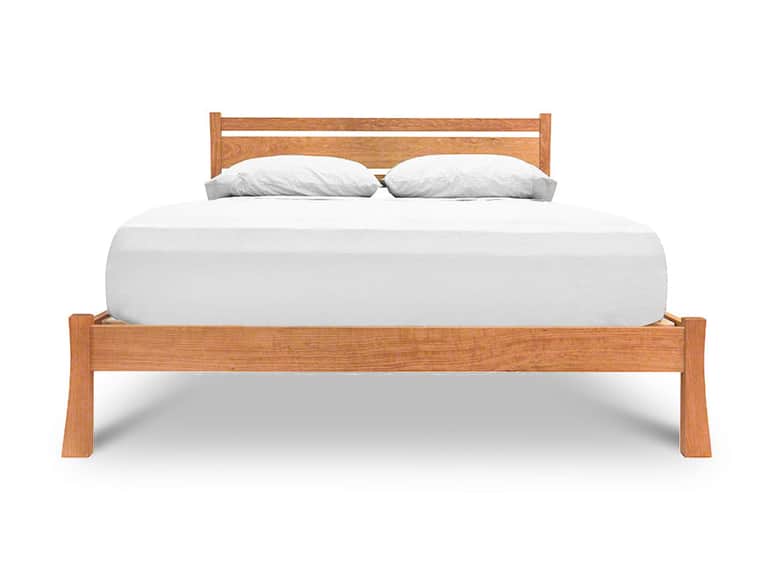
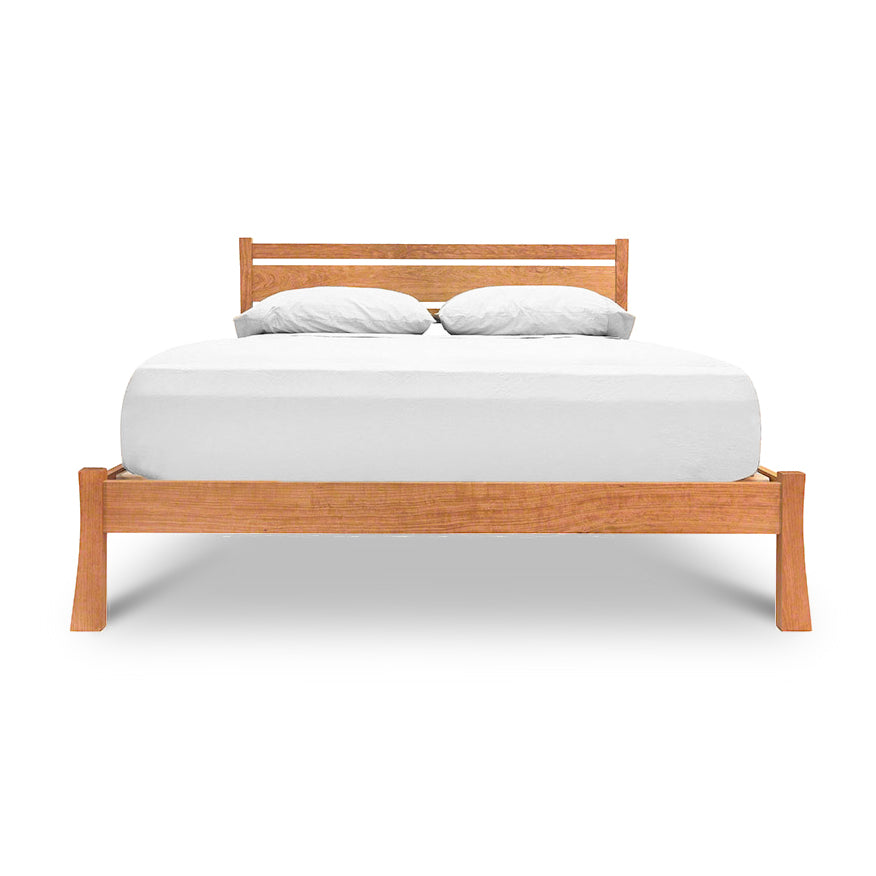
The bed is the room’s centerpiece. Its presence should convey quiet confidence and meticulous craftsmanship. Consider a horizon-inspired silhouette—low profile, clean lines, and a platform that floats above the floor. The Horizon Platform Bed, for instance, embodies solid wood construction and a serene form that anchors a calm sanctuary while signaling refined taste.

Product spotlight: Horizon Platform Bed — Handcrafted to order in Vermont from solid wood with an eco-friendly oil finish, the Horizon Platform Bed offers a clean, durable platform design built for long-term beauty and stability.

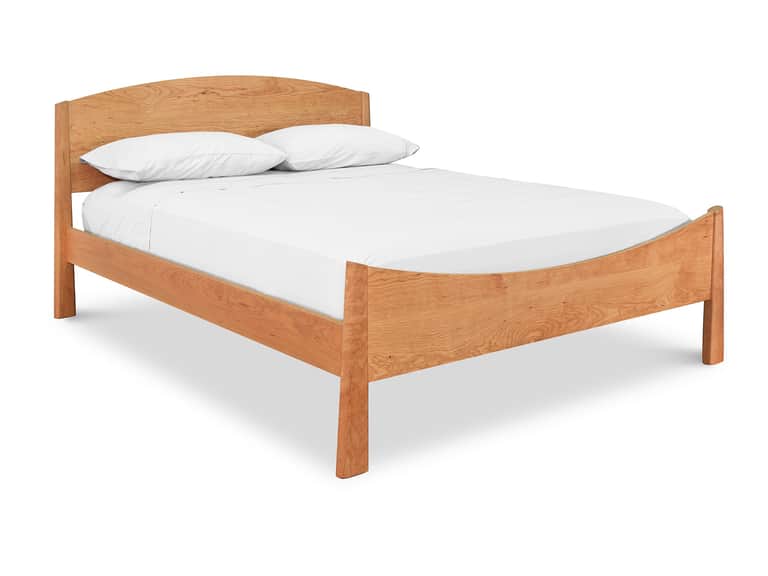
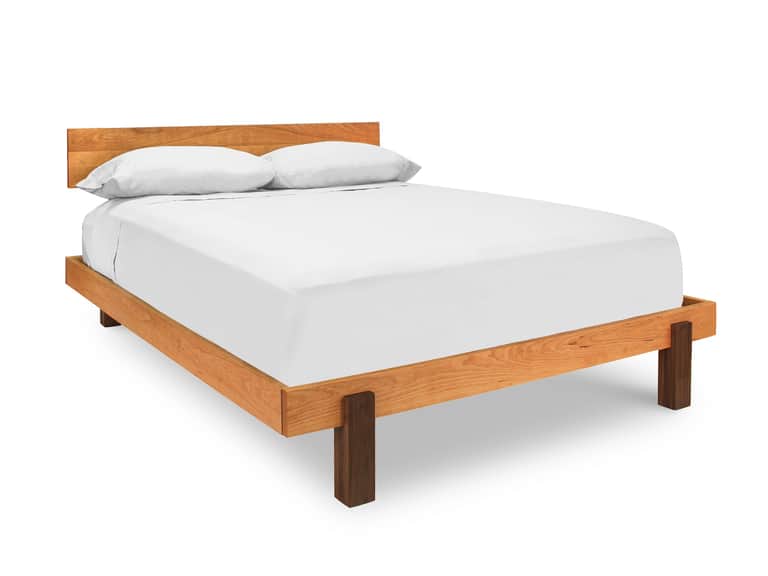
Images shown are representative of the product's quality and form, illustrating how solid wood and refined lines translate into a calm luxury aesthetic.

Horizon bed image 1
Horizon bed image 2
Horizon bed image 3

Time-traveling voices: perspectives from three eras

Design wisdom travels through time. In a space designed for luxury and sleep, the influence of different eras can inform but never overwhelm. Here are three key voices—each from a distinct century—that resonate with calm luxury in contemporary bedrooms.

1) Classical Antiquity: Marcus Seneca the Younger (circa 4 BCE – 65 CE)

Seneca’s reflections on time, virtue, and restraint whisper a timeless principle: simplicity can be the height of luxury. In a bedroom, this translates to proportion, calm symmetry, and restraint in ornamentation. A bed framing with clean geometry and a restrained palette honors the ancient affinity for order.

How this informs today: design a serene setting with balanced proportions, a calm color scheme, and materials that feel timeless rather than transient.
2) The Renaissance: Leon Battista Alberti (1404–1472)

Alberti celebrated harmony, proportion, and an enlightened sense of beauty. In bedroom design, this invites a refined, balanced composition: a well-crafted headboard as a focal point, balanced furniture on either side, and precise alignment that reads as effortless luxury.

How this informs today: curate a symmetrical layout around the bed, with a single, elegant accent piece to anchor the room's center of gravity—an homage to Renaissance equilibrium.

3) Modernism: Le Corbusier (1887–1965)

Le Corbusier’s obsession with function and form invites a bedroom that is both efficient and expressive. A modernist lens encourages simple, honest materials, generous negative space, and form-driven decisions—bed geometry, storage, and lighting all aligned for clarity.

How this informs today: prioritize clean lines, purposeful furnishings, and a bed frame that is sculptural without shouting, letting materials do the talking.

A curated product moment: feature picks

Luxury bedrooms hinge on well-chosen, durable essentials. Among standout pieces, the Horizon Platform Bed and two other impeccably crafted frames illustrate how structure, finish, and silhouette define a room.

Horizon Platform Bed

Horizon Platform Bed

Solid wood, eco-friendly oil finish, handcrafted in Vermont. A clean, durable platform design.

From $1,772.00

Learn more
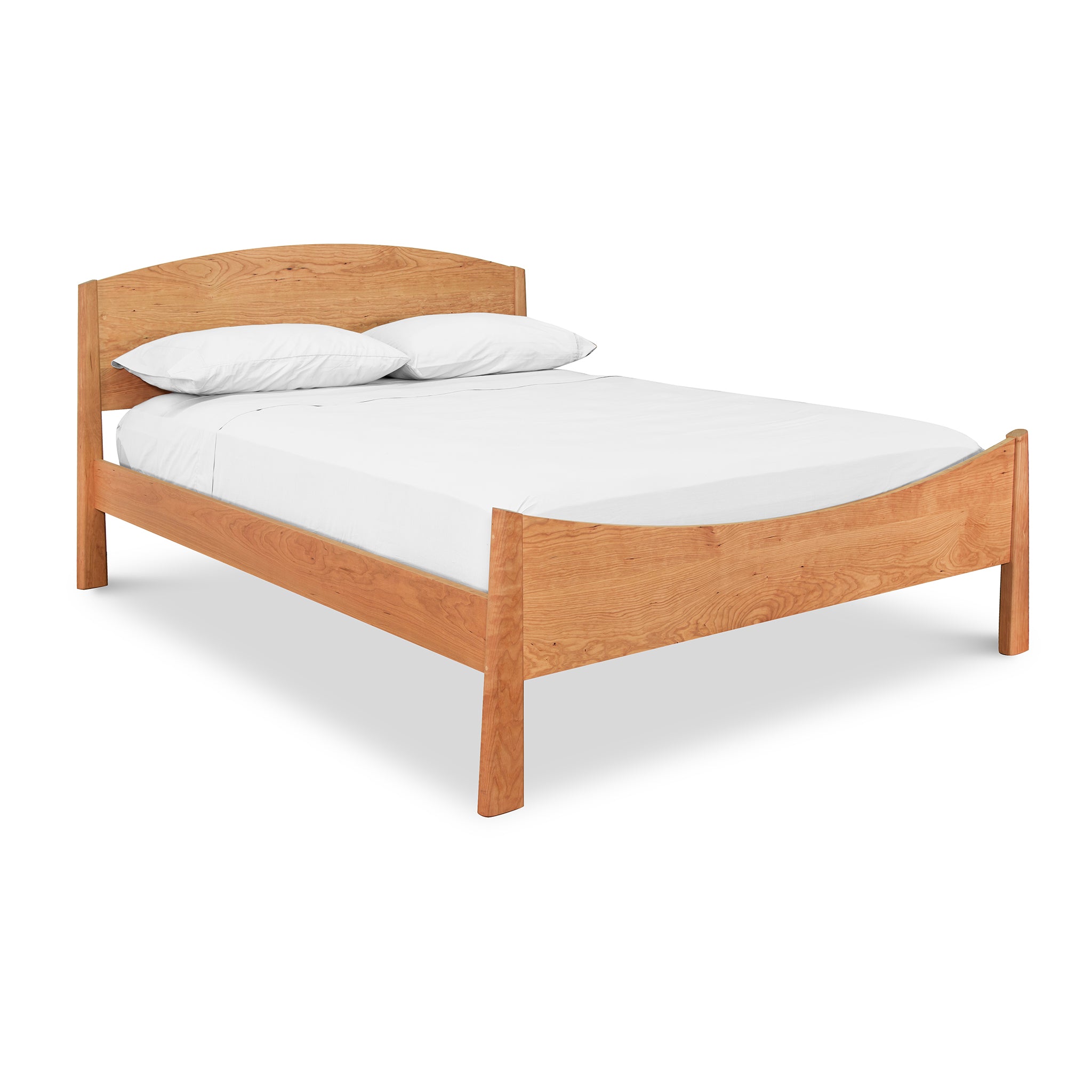
Cherry Moon Bed

Cherry Moon Bed — Queen (Display Model)

Natural cherry solid wood with an oil finish; handcrafted in Vermont.

From $3,738.00

View details

Textile and bedding as luxury amplification

Textiles elevate the tactile dimension of a calm luxury bedroom. A refined pillow selection, decadent yet practical bedding, and drapery with controlled opacity all contribute to sound sleep and immersive softness.

  • Luxor Fitted Sheet: 100% Egyptian cotton, percale weave, crisp hand, secure fit.
  • The Silk Set: Mulberry silk bedding for temperature regulation and skin/hair comfort.
  • Manhattan Down Pillow: Plush loft with high-quality down and a breathable cotton cover.

Glossary and resources for luxuriant sleep design

A calm luxury bedroom benefits from a shared vocabulary of materials, finishes, and design intents. Below is a quick glossary to anchor your planning:

  • Percale – A crisp, cool, matte cotton weave often used in high-end sheets.
  • Sateen – A silkier, smoother finish with a subtle sheen, offering a luxe hand.
  • Oil finish – A natural wood treatment that enhances grain while remaining low-luss, easy to maintain.
  • Platform bed – A bed frame with a low profile that supports a mattress without a box spring, contributing to a minimalist, grounded look.
  • Thermoregulation – The ability of textiles and bedding to maintain comfortable skin temperature for better sleep.

This guide is designed as a practical blueprint for creating an upscale sleep sanctuary. It emphasizes non-commercial, educational content with a focus on design principles, materials, and sleep optimization. For further inspiration, you may explore editorial features, expert Q&As, and long-form case studies that illuminate how thoughtful choices impact sleep quality.

Related Products

Horizon Platform Bed

Vermont Furniture Designs

Horizon Platform Bed

Handcrafted in Vermont, this solid-wood platform bed offers a durable, minimal silhouette with a warm, natural finish. Eco-friendly oil protects the wood, supports a mattress with fewer parts, and creates a timeless, serene bedroom foundation.
Cherry Moon Bed - Queen - Display Model

Vermont Furniture Designs

Cherry Moon Bed - Queen - Display Model

Handcrafted in Vermont from sustainably sourced wood, this solid bed offers smooth arches, rounded edges, and sleek reverse tapered legs for a warm, natural feel. Built to order with oil finish for lasting beauty and everyday comfort.
Modern American Platform Bed

Vermont Furniture Designs

Modern American Platform Bed

Sleep soundly on a durable, eco-friendly bed that ages beautifully; sturdy platform support, low maintenance finish, and timeless lines that fit any décor for generations of restful nights.

Theme